The Canadian 50+ Tech Market: Trends and Opportunities
We have spent years cultivating a vast Community of Innovation where we help older persons, scientists, researchers, innovators, entrepreneurs, and healthcare organizations connect and thrive in this complex ecosystem.
Canada’s rapidly aging population presents a major opportunity for innovators to meet the growing demand for technologies that support healthy aging, independence, and brain health. With rising tech engagement among older persons, the AgeTech market is poised for significant growth. CABHI’s AgeTech Insights initiative offers intelligence into the growing market demands of Canada’s aging population, encouraging co-design approaches that connect innovators with older persons to create inclusive, impactful, and scalable solutions that align with real-world needs.”
-Dr. Allison Sekuler, President and Chief Scientist, Centre for Aging + Brain Health Innovation (CABHI) and Natalie Leventhal, Principal Investigator for AgeTech Insights Initiative and Knowledge Broker, CABHI
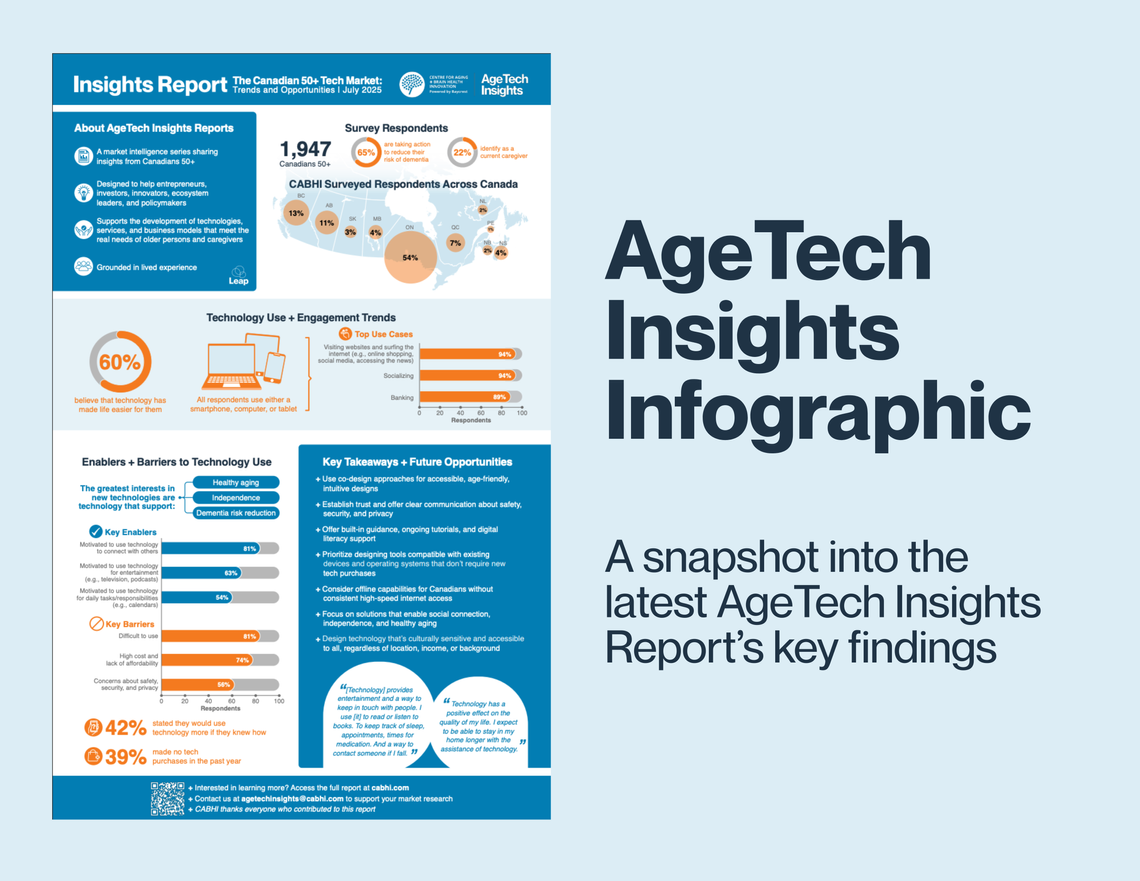
Canadians 50+ demonstrate extremely high (100%) adoption and daily use (99%) of core technologies like smartphones, computers, and tablets. There is also significant daily engagement with wearable devices (e.g., Fitbit, smart watches) (41% of respondents, with 84% using these devices daily) and home assistants and smart home technology (e.g., Amazon Alexa, Google Home, smart thermostat) (39% of respondents, with 64% using these devices daily). Widespread use of these technologies provides a strong foundation for future technology integration.
Key barriers to greater technology adoption and engagement among Canadians 50+ are ease of use, cost, safety, and digital literacy. Importantly, 42% of respondents stated they would use technology more if they knew how, highlighting a need for better support, intuitive age-friendly design, and ongoing education.
Canadians 50+ are primarily motivated to use technology for social connection (88%) and show strong interest in new technologies that support healthy aging, independence, and dementia risk reduction.
Tech spending among Canadians 50+ remains conservative, with many prioritizing affordability, highlighting the importance of developing cost-effective solutions that leverage existing devices and offer clear, tangible benefits to encourage adoption.
There is a clear opportunity for innovators to develop culturally relevant, affordable, age-friendly, and integrated solutions that leverage the use of existing devices to meet the identified needs and interests of Canadians 50+.
Key Findings
-
Technology Use and Engagement
Technology adoption among Canadians 50+ is extremely high. Smartphones, computers, and tablets are universally used, and most respondents rely on them for communication, online browsing, banking, learning new skills, and tracking health.
Near‑universal smartphone/computer/tablet use (100%) with daily engagement at 99%.
Growing use of home assistants (41%) and wearables (39%). Daily use among owners is high.
Detailed breakdown of use cases across device categories:
Smartphones/computers/tablets: primarily used for internet browsing, communication, banking, learning, and health tracking.
Home health devices: used for monitoring, fitness, emergency response, and medication reminders.
Smart‑home tech: used for information, monitoring, reminders, home control, and calling.
Digital fitness equipment: used for tracking, monitoring, classes, and recommendations.
Gaming/VR: cognitive games dominate use cases.
Wearables: mainly for fitness + health monitoring.
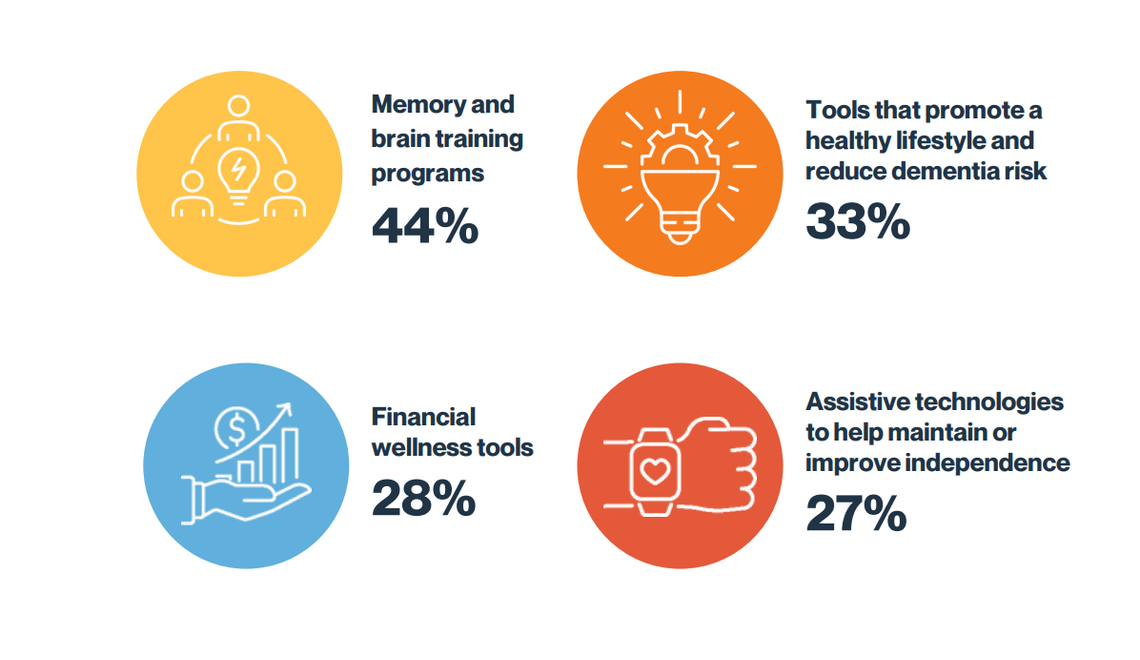
Strong interest in future‑facing tech like brain‑training, healthy aging programs, and financial tools.

-
Market Barriers
Top three primary barriers:
Ease of use (81%)
Affordability (74%)
Safety, security, and privacy (56%)
Affordability Challenges:
Eastern provinces and Manitoba report the lowest tech purchasing in the past year.
Low-tech investment trends:
39% bought no tech in the past year; when they did, smartphones and computers dominated purchases.
40% spend $0/month on tech; most others spend <$200.
Digital literacy gap:
Many feel frustrated or challenged by tech; 14% find adaptation difficult.
Strong desire to learn more, including about AI.
-
Market Enablers
Supportive technology:
Canadians 50+ value technologies that support independence, cognitive health, and healthy aging.
Top interests mirror earlier findings: brain training, healthy lifestyle tools, financial wellness, and assistive devices.
Cultural trends:
South Asian respondents show notably higher adoption of wearables, home assistants, and home health devices.
Indigenous respondents are the second-highest adopters of wearables.
Tech solutions to support dementia risk reduction:
Awareness is high, but depth of understanding varies: only 12% feel extremely aware.
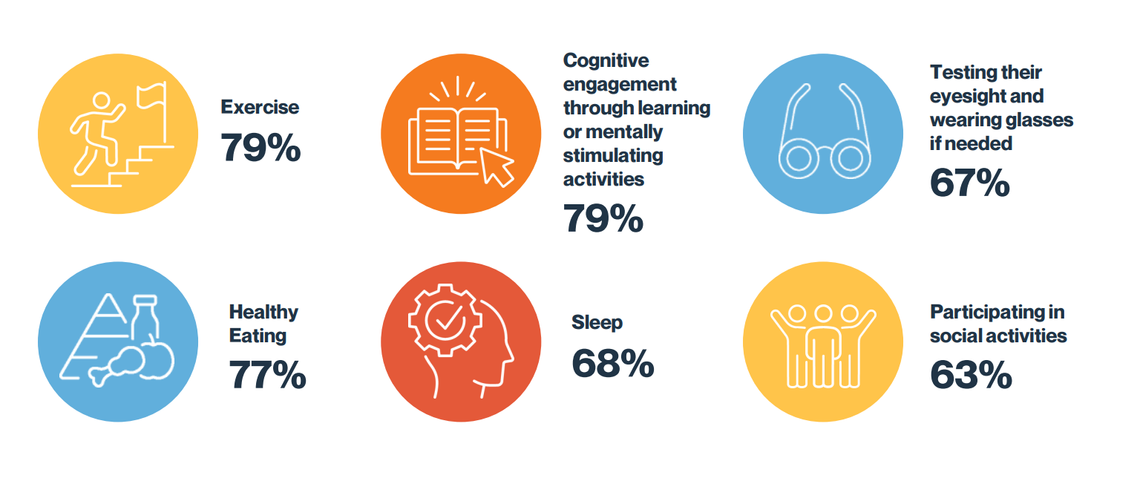
65% actively engage in dementia‑risk‑reducing habits such as exercise, healthy eating, cognitive activities, sleep, vision care, social participation.
Technology for social connection:
88% rely on technology to stay socially connected, the top motivator for tech use.
Communication, entertainment, and responsibility management (e.g., calendars) drive ongoing engagement.
Opportunities exist to expand social connection through VR and gaming systems.
Key Opportunities and Takeaways
Prioritize ease of use, affordability, trust, and integrate digital literacy support.
Ensure compatibility with older operating systems and existing devices.
Build within ecosystems older adults already use (smartphones, tablets, computers).
Design solutions that enhance social connection, independence, and holistic wellness across physical, cognitive, and social domains.
Co‑design with end users (through Leap and similar platforms)