Get on the list
Want to stay up to date with CABHI events? Subscribe to our newsletter to get updates straight to your inbox!
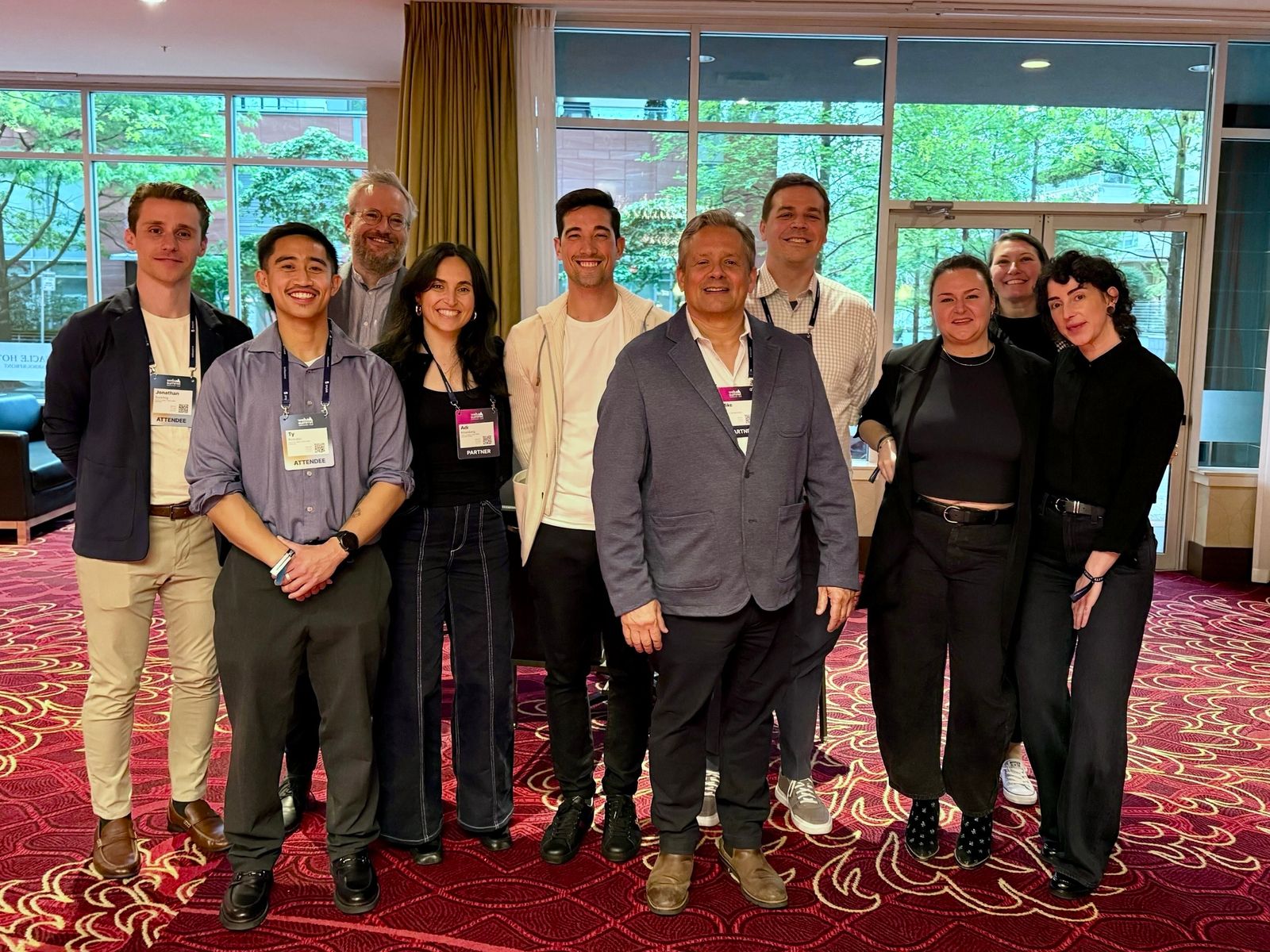
After a full week of presenting and connecting at Web Summit Vancouver, we've seen firsthand the bold ideas and cutting-edge solutions emerging from British Columbia. It’s evident that innovation is booming in BC and, as usual, CABHI was at the centre of the action.
During the week of May 11-14, the CABHI team connected with founders, investors, policymakers, and healthcare leaders to explore what’s next in agetech, life sciences and emerging health tech. From candid conversations about innovation barriers to insights from experts in the field, our time out west was spent reinforcing one of our core objectives: the necessity of connection and collaboration across the aging and brain health ecosystem to ensure solutions have clear, supportive pathways for scale and growth.
Key takeaways:
Innovation often stalls during the transition from idea to impact—and the reasons are as complex as they are diverse.
Progress accelerates when innovators, investors, policymakers, and providers align toward the shared objective of improving health outcomes.
BC innovators are coming up with incredible ideas to aging and brain health challenges.
Non-pharmaceutical approaches to brain health and dementia care are in demand and offer the biggest opportunities for potential breakthroughs.
These big-picture ideas surfaced front and centre on our first day with a main-stage panel featuring James Mayer, COO of CABHI, and Morgan Reed, President of the Association for Competitive Technology. The two brought fresh perspectives on the future of innovation in the agetech sector, specifically related to what's required to get promising health tech solutions into the hands of those who need them most.
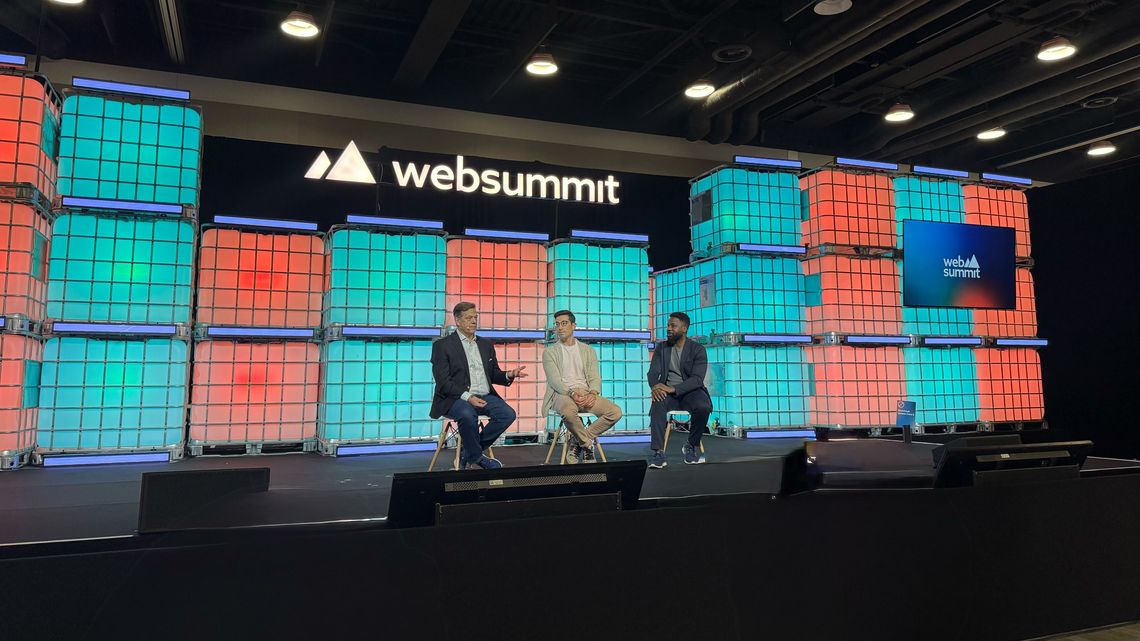
During their discussion, they unpacked the real-world challenges innovators face when navigating policy, procurement, and adoption pathways.
James explained that AI is a precursor to healthy lives and is “not replacing clinicians or healthcare workers, but more augmenting—allowing them to be more productive and reducing administrative burdens.”
[AI is] not replacing clinicians or healthcare workers, but more augmenting—allowing them to be more productive and reducing administrative burdens.”
James Mayer, COO of CABHI
Morgan added that paying attention to standards is a key piece of the puzzle when it comes to succeeding in the agetech sector, as many people, including those in attendance, “are building good products, and [they] are going to use standards as [their] backbone.” He cautioned to “be careful about the licensing… understand what you're getting into.”
Looking ahead, James that he believes the biggest breakthrough in the next 5-10 years will be “non-pharmacological intervention for the treatment of dementia,” and Morgan agreed.
Later in the day, Jonathan Suckling (Director, Programs & Strategy, CABHI) took part in a masterclass session alongside Alexandra T. Greenhill, MD (CEO, Careteam Technologies), Morgan Reed (ACT), and Brian Scarpelli (Executive Director, Connected Health Initiative). Together, the group explored how startups, investors, policymakers, and healthcare providers can work in concert to expand opportunity for digital health innovators—and strengthen healthcare systems worldwide.
Jonathan broke down what makes a "perfect pitch" in the agetech space, explaining that, “a lot of technical founders are getting excited about the capabilities of AI, and what’s possible and what can be built right now… clinician founders often punch well above their weight in that they understand the challenge better than anyone, so the pairing of technical founders and clinician founders,” is paramount.
A lot of technical founders are getting excited about the capabilities of AI, and what’s possible and what can be built right now… clinician founders often punch well above their weight in that they understand the challenge better than anyone.
Jonathan Suckling, Director of Programs and Strategy at CABHI
At the end of the day, Jonathan explained that it is important to start small and bring in the clinical expertise. It is crucial to have the use case established. Start with the problem—not the technology—and ensure you’re solving something worth solving.
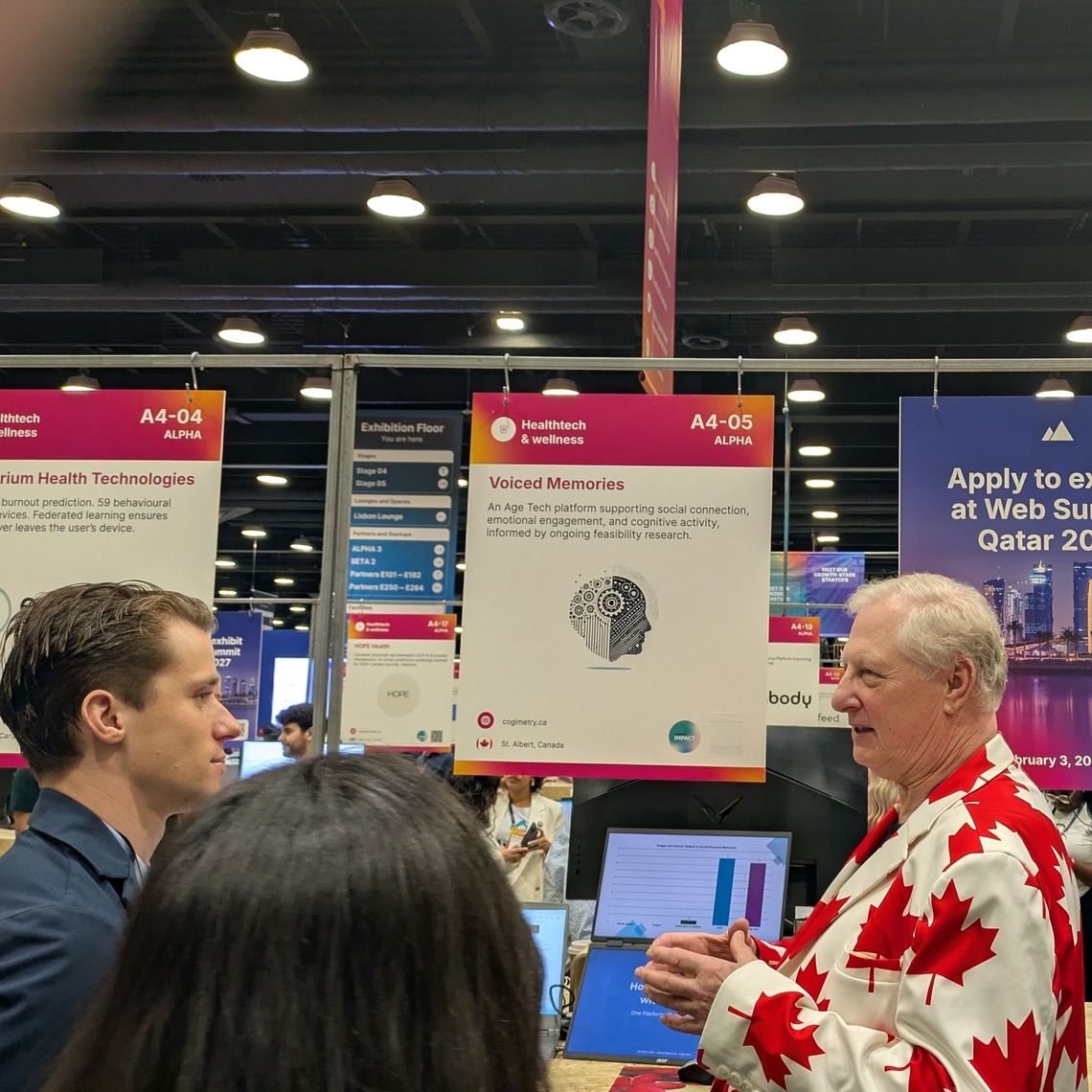
After a full day of keynotes and masterclasses, the team took to the exhibition floor for the second day, shifting gears to focus on creating connections. They spent time learning about cutting-edge agetech and brain health solutions—and connecting with teams translating research and lived experience into practical tools—meeting with innovators, including:
Voiced Memories: Enriching photos by embedding the stories behind them, directly from the people who lived those moments
Travel CarePlans: AI-powered travel health companion that creates personalized care plans for international travellers with pre-existing conditions
Bía Neuroscience: Sleep lab in a mask designed to help measure and improve every aspect of the sleep experience
NeuroFore: Cutting-edge AI used to analyze the non-motor symptoms that develop before motor symptoms, accurately detecting Parkinson’s earlier
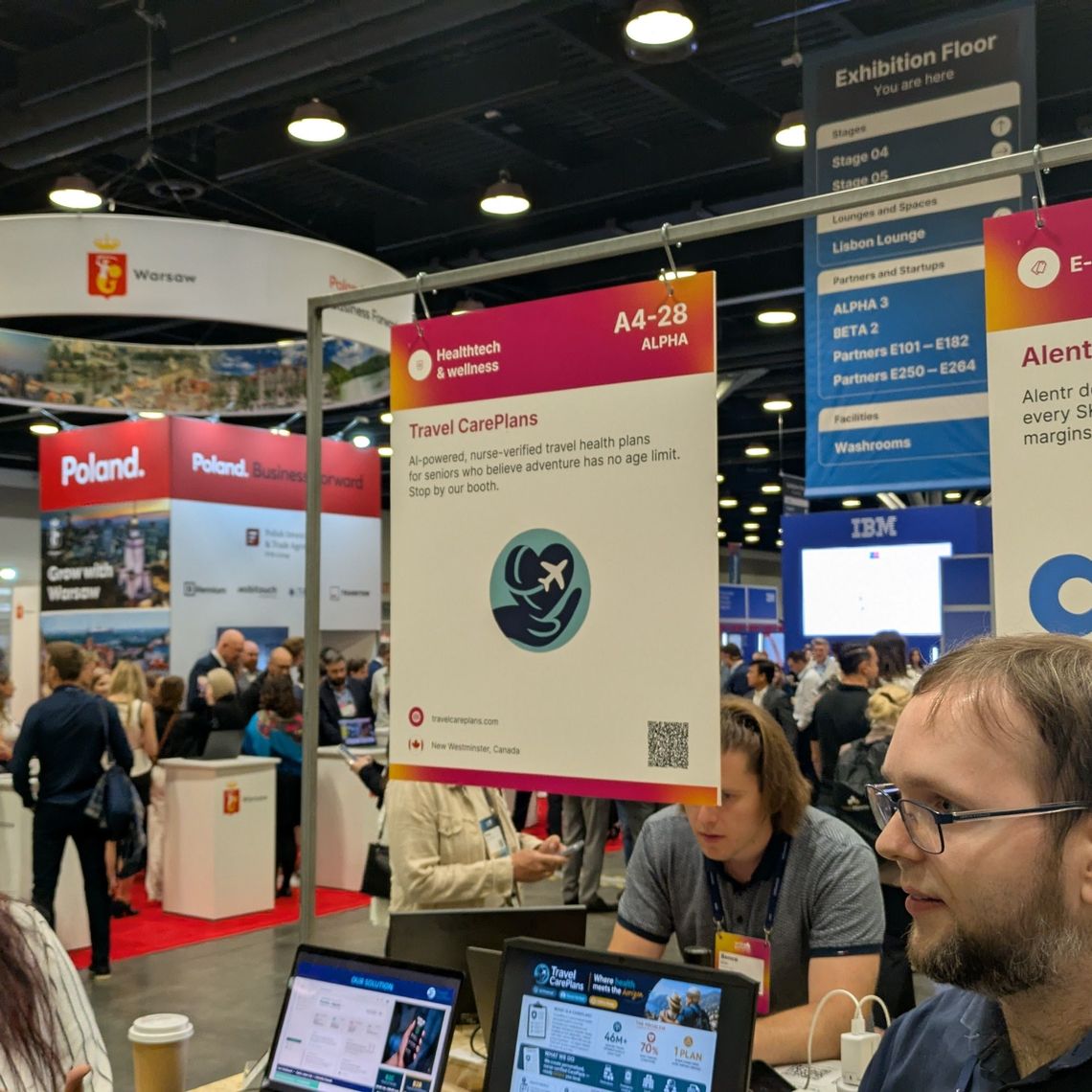
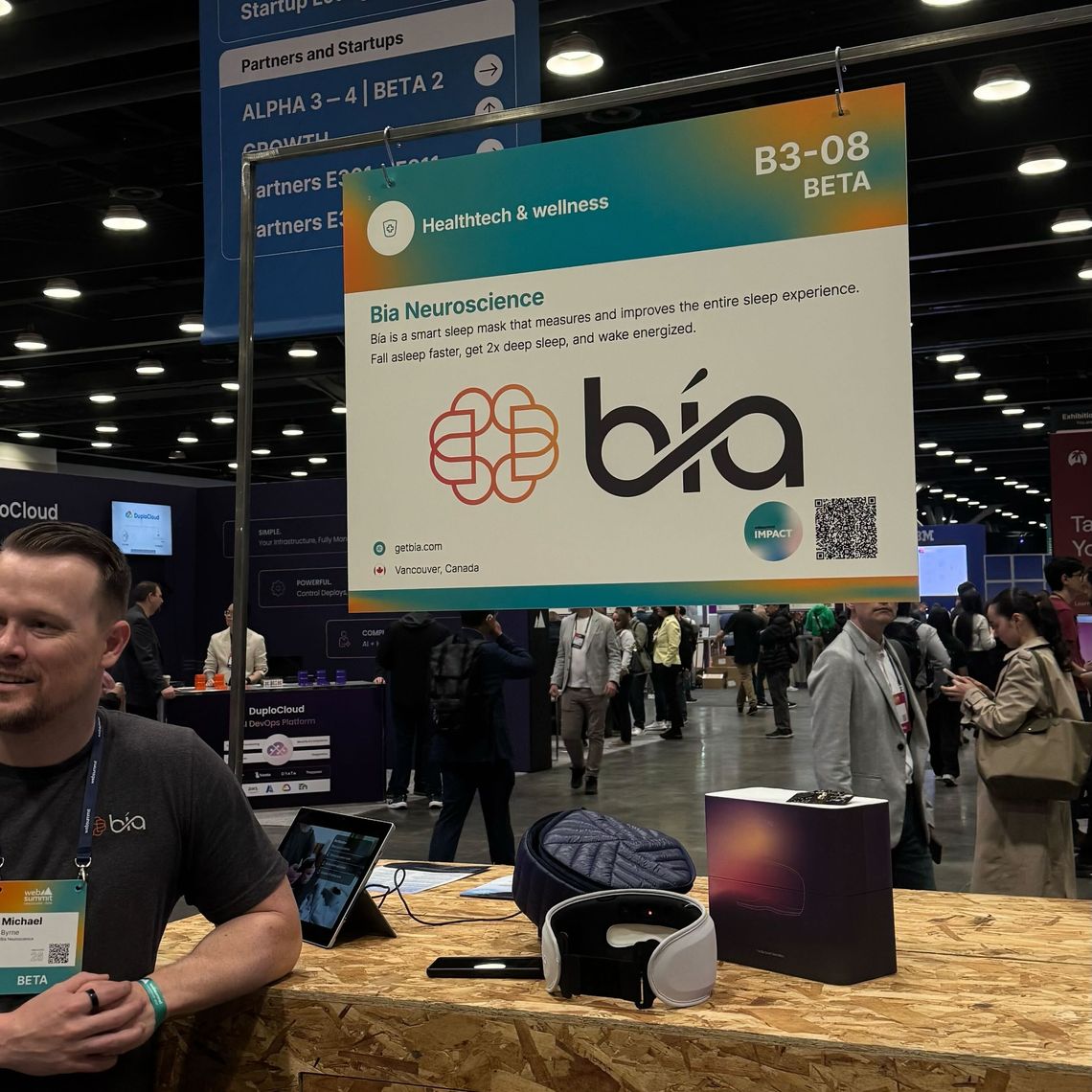
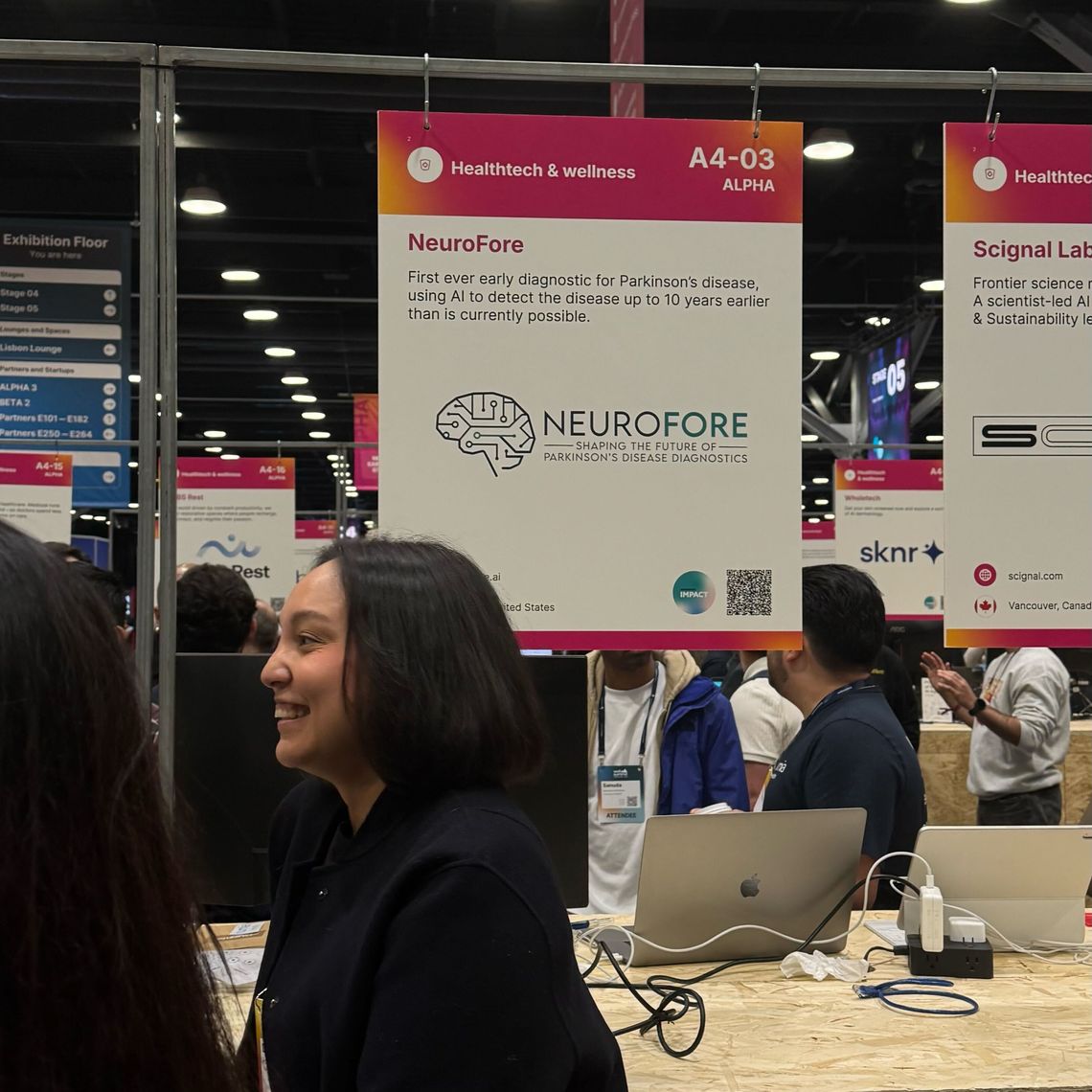
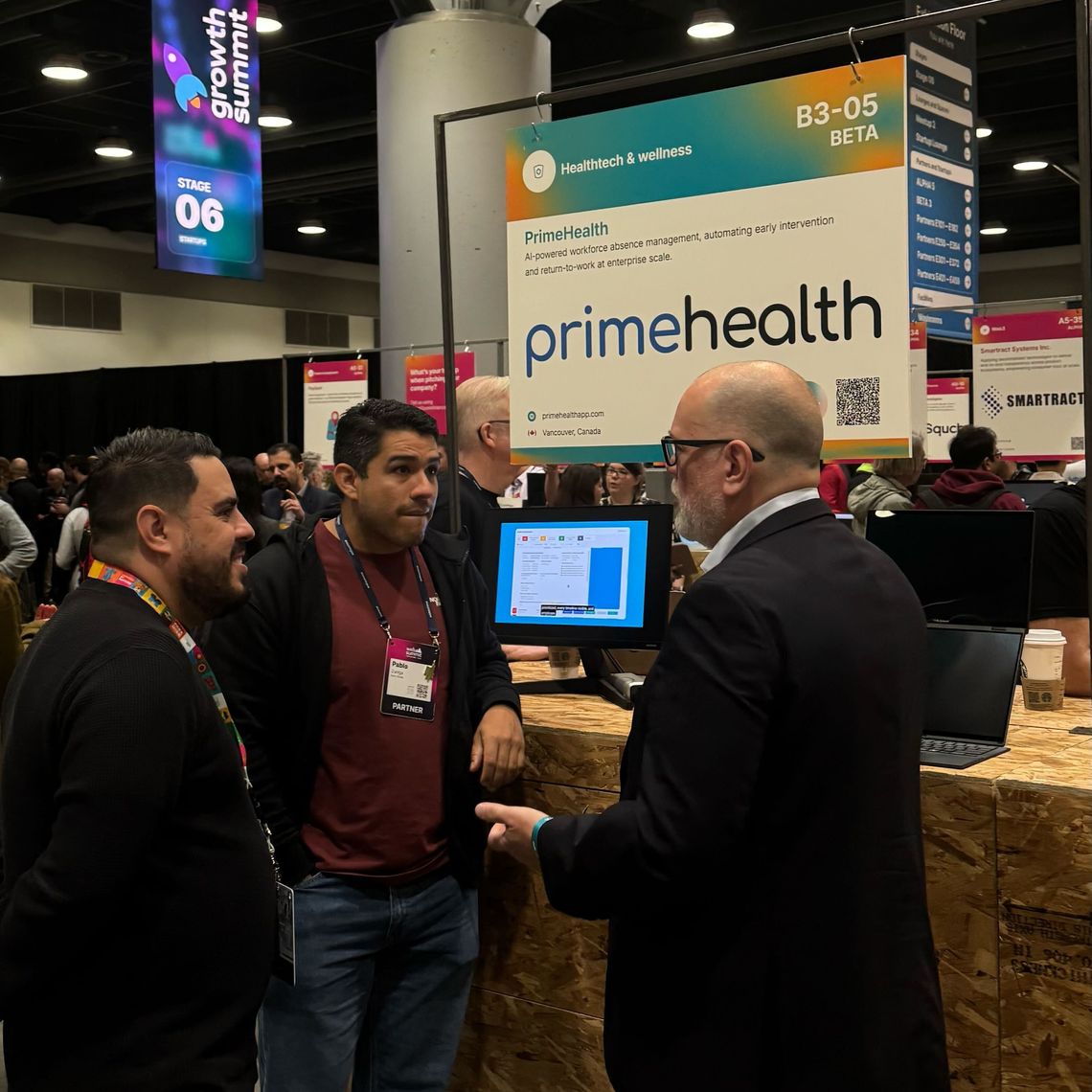
We also caught up with PrimeHealth, an Ignite alum, and heard firsthand what it takes to keep momentum after an early-stage program—especially when building for complex care environments.
We capped off our time in BC with an innovation meetup in partnership with ACT, welcoming nearly 300 innovators, investors, and ecosystem partners. It was an opportunity to spotlight the strength of BC’s innovation ecosystem, and offer community members and partners—Praxis Spinal Cord Institute, Michael Smith Health Research BC, and CTAAN (Centre for Technology Adoption for Aging in the North)—the chance to connect.
We also had the chance to showcase CABHI-funded companies, along with other BC-based innovations, tackling complex health challenges in exciting new ways! Check out the slideshow to learn more about the featured innovations, including:
AI-enhanced eye-tracking test designed to support earlier, more accurate Parkinson’s disease diagnosis. By combining decades of eye movement research with advanced AI technology, the company aims to create a sensitive, accessible tool that helps address delays in diagnosis affecting millions worldwide.
AI-powered health information platform that helps organizations deliver accurate, evidence-based health content through conversational AI tools. Designed for healthcare, education, and wellness sectors, the platform provides trusted, easy-to-understand information that empowers people to make more informed health decisions.
Intelligent rehabilitation technology that helps individuals with limited mobility improve circulation, support recovery, and maintain independence from home. Its automated range-of-motion devices combine assistive technology with real-time feedback to support safer, more accessible rehabilitation and aging in place.
Simple, guided tools for wills, powers of attorney, and end-of-life planning. The platform is designed to help individuals and families organize important decisions and documents with greater clarity, confidence, and peace of mind.
Mobility solutions that help older adults and individuals with reduced mobility age safely and independently at home. Its flagship technology, The Step Up, is a smart stair-support system designed to prevent falls, strengthen balance, and improve confidence and autonomy in everyday movement.
AI mobile app for detecting changes to eye and brain health.
AI-powered precision blood tests designed to make diagnostic testing more affordable, accessible, and personalized. By combining advanced biomarker analysis with artificial intelligence, the company aims to help researchers and clinicians improve disease detection and patient care outcomes.
Bioelectronic and digital health platform designed to help manage polycystic ovary syndrome (PCOS) through low-frequency electrostimulation and personalized support tools. The platform aims to improve hormonal, metabolic, and reproductive health outcomes while helping close long-standing gaps in PCOS diagnosis, care, and education.
Discreet, wearable medical device designed to provide fast, drug-free relief from menstrual pain. By combining engineering and women’s health innovation, the company aims to improve quality of life for people affected by dysmenorrhea.
AI-driven neurological drug testing platforms using lab-grown human brain organoids to improve the accuracy of preclinical research. By combining electrophysiological analysis, machine learning, and human-relevant brain models, the company aims to help researchers identify more effective treatments for conditions like epilepsy and Parkinson’s disease while reducing costly clinical trial failures.
Digital platform that helps families navigate and compare retirement homes and long-term care options across Ontario. By providing transparent information, search tools, and side-by-side comparisons, Elderado aims to make finding elder care more informed, accessible, and less overwhelming for caregivers and older adults.
AI-powered cognitive monitoring tools that analyze voice biomarkers through natural conversation. Its platform aims to make early cognitive screening and ongoing brain health monitoring more accessible through simple phone-based interactions and real-time insights.
AI-powered companion phone designed to support older adults and individuals living with cognitive disorders such as Alzheimer’s disease. Using a familiar, screen-free telephone interface, the platform provides conversation, cognitive stimulation, and companionship while helping families and care providers stay connected and supported.
Advanced tissue engineering and organ-on-chip platforms to improve disease modeling, drug discovery, and early diagnostics. By combining 3D bioprinting, microfluidics, biomarker analysis, and AI, the company aims to create more human-relevant systems for neurological research and precision medicine.
Fluorescent microtattoo technology that enables painless, at-home health monitoring through the skin without the need for blood sampling. Using dissolvable microneedles and wearable readers, the platform aims to make tracking biomarkers like glucose and sodium levels more accessible and less invasive.
Saliva-based biosensing platform that uses advanced bioelectronics and AI to deliver lab-grade molecular health insights in seconds. Its technology is designed to detect biomarkers such as hormones and inflammation indicators non-invasively, helping bring real-time, personalized health monitoring into the home.
One-touch video communication platform designed to help older adults stay connected with family members, caregivers, and care providers through a simple, familiar interface. Disguised as an easy-to-use digital clock, the device supports aging in place by reducing isolation and making communication accessible for seniors who may struggle with traditional technology.
Web Summit Vancouver was a jam-packed event, leaving us feeling energized and inspired. After connecting with the community, we have a clear idea of what innovators need to thrive: support across the entire innovation journey, with an emphasis on the pathways from validation to adoption. At CABHI, we are proud to offer programs and acceleration services at every stage of the innovation journey—from the moment of inspiration to ultimate impact, and every step in between. Learn about how we can support you where you are in your journey by visiting our Innovation Programs + Initiatives page: https://www.cabhi.com/en/programs-services.
Get on the list
Want to stay up to date with CABHI events? Subscribe to our newsletter to get updates straight to your inbox!