Bridging the Innovation Ecosystem Across Borders: CABHI in Asia
Supporting healthier lives means helping older persons stay mobile, independent, and connected to their communities. With this focus, CABHI, powered by Baycrest, travelled to Japan and Singapore to exchange knowledge and strengthen partnerships in aging, brain health, and agetech innovation.
For Canada and Japan, collaboration is particularly timely as both countries respond to the needs of super-aged populations. By sharing perspectives on care, services, and technology, we can explore ways to support healthier aging and advance accessible, person-centred solutions designed for—and with—older persons.
Building on CABHI’s 2025 activities in Japan, this year’s visit brought together innovators, researchers, government partners, and ecosystem leaders. From BioJapan and an exclusive partnership reception at the Canadian Embassy in Tokyo to meetings across Singapore’s innovation and care ecosystem, the conversations focused on shared challenges and opportunities to encourage international collaboration.
Connecting at BioJapan 2026
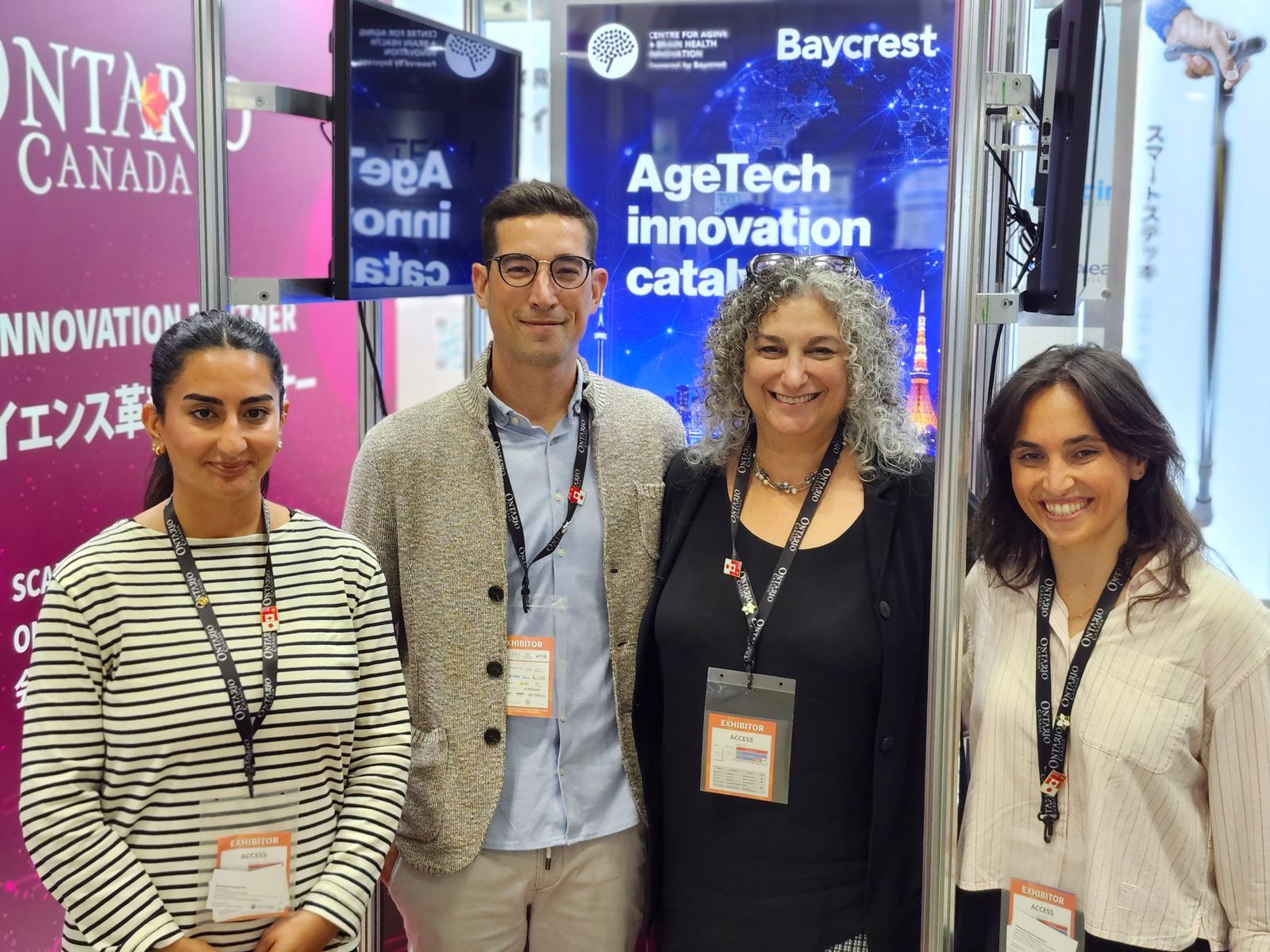
The visit began at BioJapan 2026—a Ministry of Economic Development, Job Creation and Trade-facilitated trade mission that included 13 companies—where CABHI met with innovators, researchers, organizations, and international delegations.
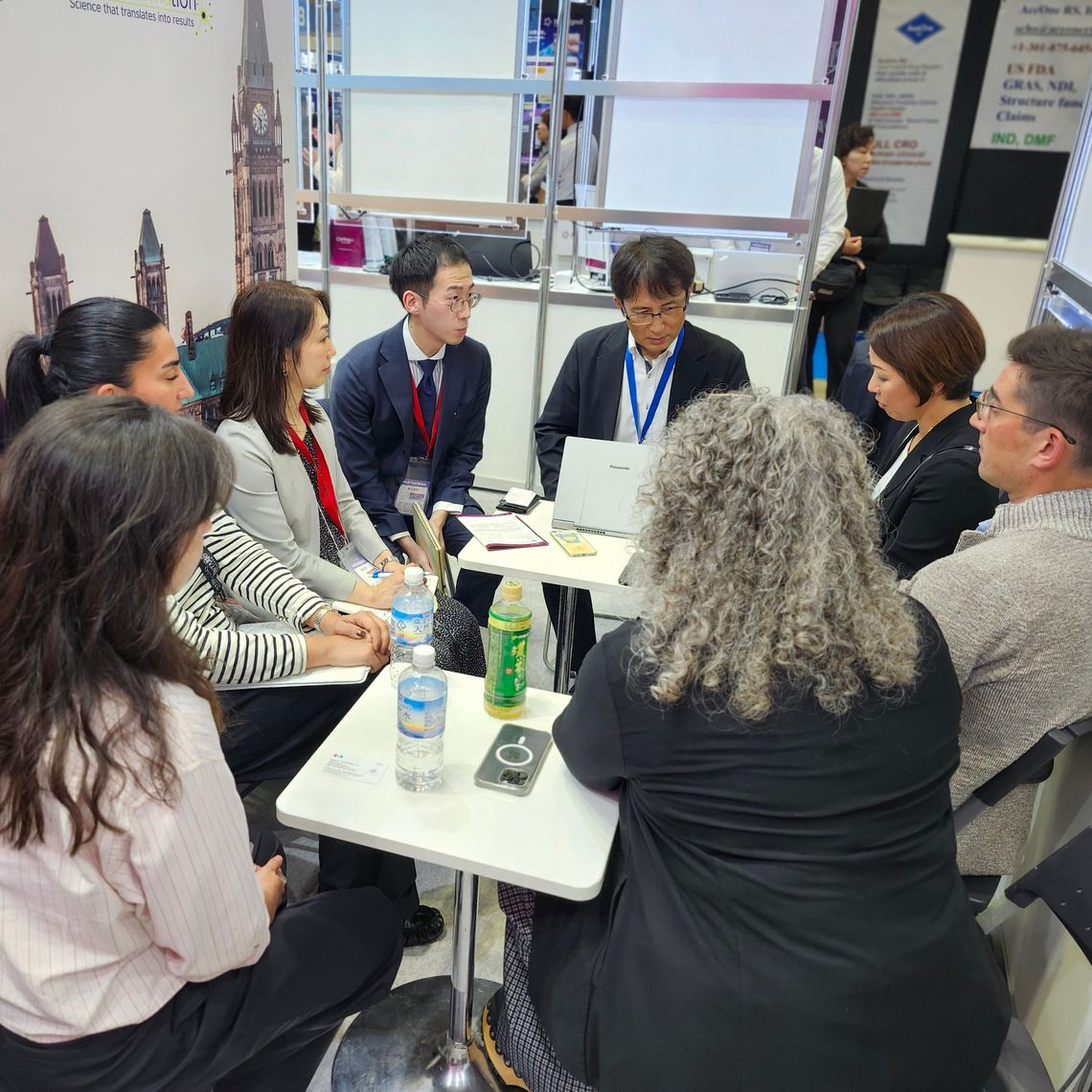
While on the trade mission, CABHI met with the Japan Research Institute, biocK, and AIST, among others. Together, we explored opportunities to advance aging, brain health, and agetech innovation, and how collaboration can help address the needs of super-aged societies.
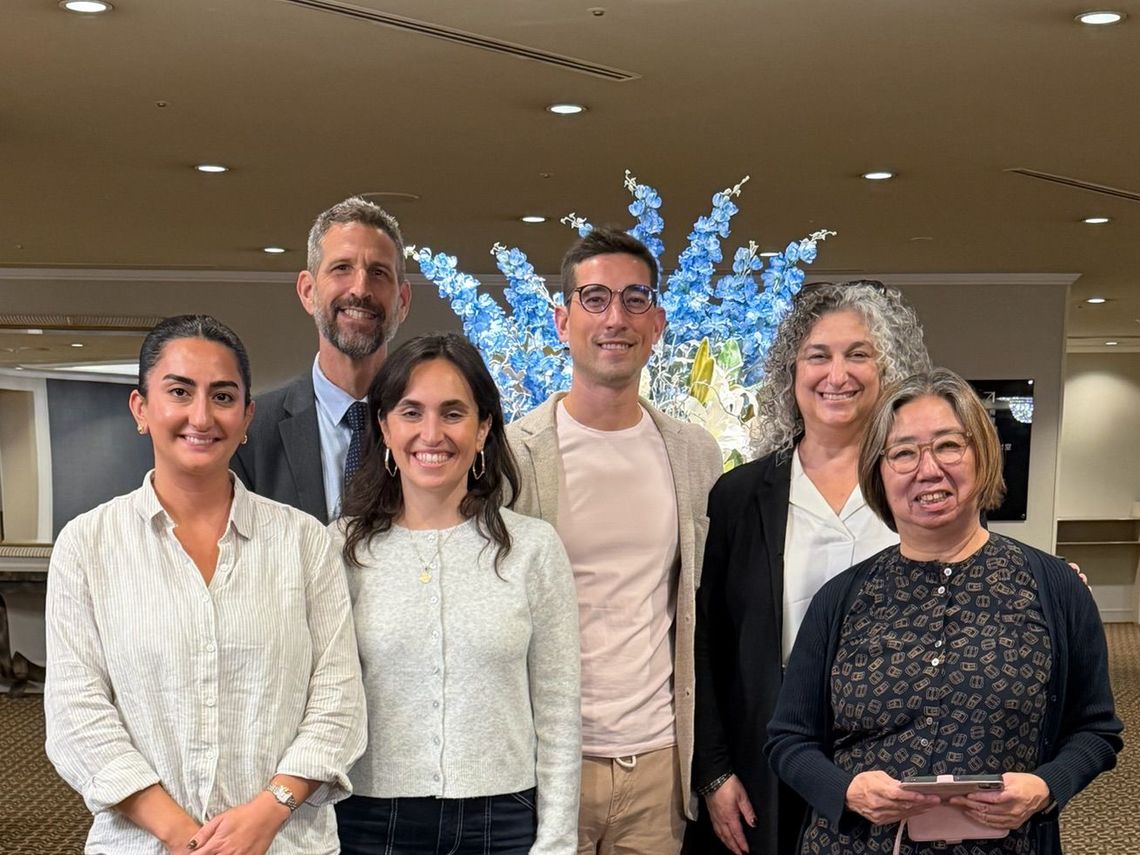
Photo: The CABHI team meeting with partners in Japan.
Advancing International Collaboration
CABHI also convened sector leaders for an evening reception at the Canadian Embassy in Japan, hosted in partnership with the Ontario Trade and Investment Office in Tokyo (TIO) and Ontario's Ministry of Economic Development, Job Creation and Trade (MEDJCT). The event created an opportunity to connect across sectors and strengthen Canada–Japan collaboration.
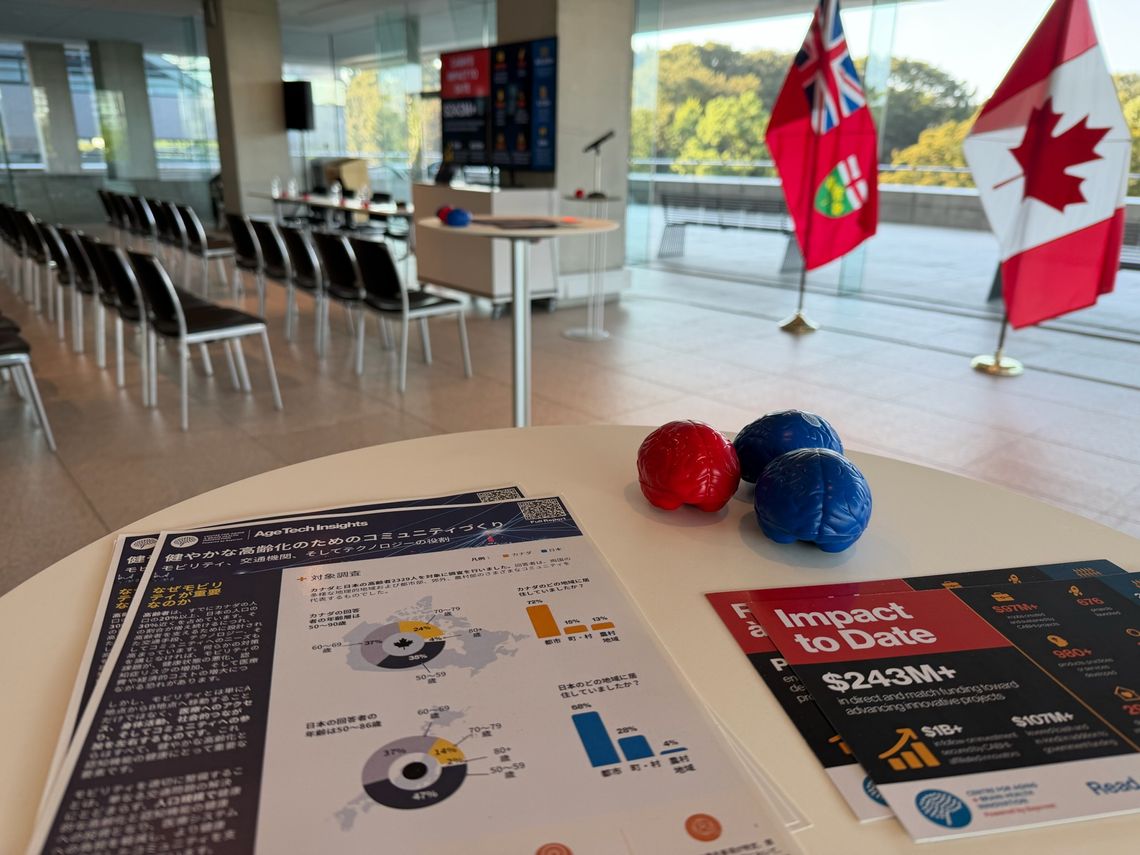
The reception brought together over 50 guests from government, research, healthcare, industry, and the innovation ecosystem. It also marked the launch of the new Canada-Japan AgeTech Insights Report: Building Communities for Healthy Aging: The Role of Mobility, Transportation, and Technology. Based on a survey of 2,329 older persons aged 50+, the report examines mobility and healthy aging in Canada and Japan, in partnership with the Ontario Trade and Investment Office in Tokyo (TIO) and Ontario's Ministry of Economic Development, Job Creation and Trade (MEDJCT).
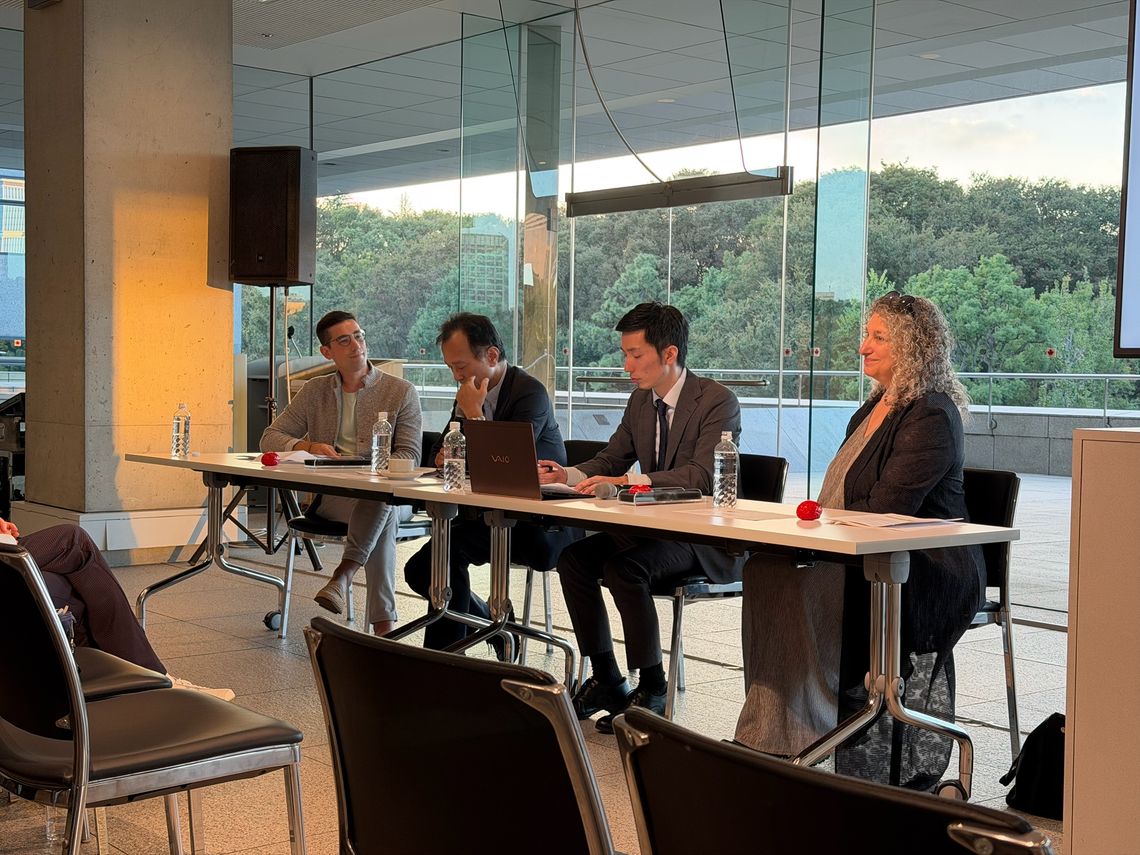
An expert panel moderated by James Mayer, featuring Dr. Allison Sekuler, Dr. Hidenori Arai, and Hidehiko Shirooka, previewed the report’s findings. The discussion explored mobility, transportation, and technology, and opportunities to use these insights to advance healthier aging societies.
Learning Across Singapore’s Innovation and Care Ecosystem
In Singapore, CABHI’s delegation met with leaders across aging, brain health, care, and innovation to learn about their work and exchange perspectives. The delegation visited:
SGInnovate to learn about its support for deep-tech innovation and explore shared interests.
Singapore Management University’s LSEI to discuss its work on health and economic impact, an area aligned with CABHI’s growing focus on the brain economy.
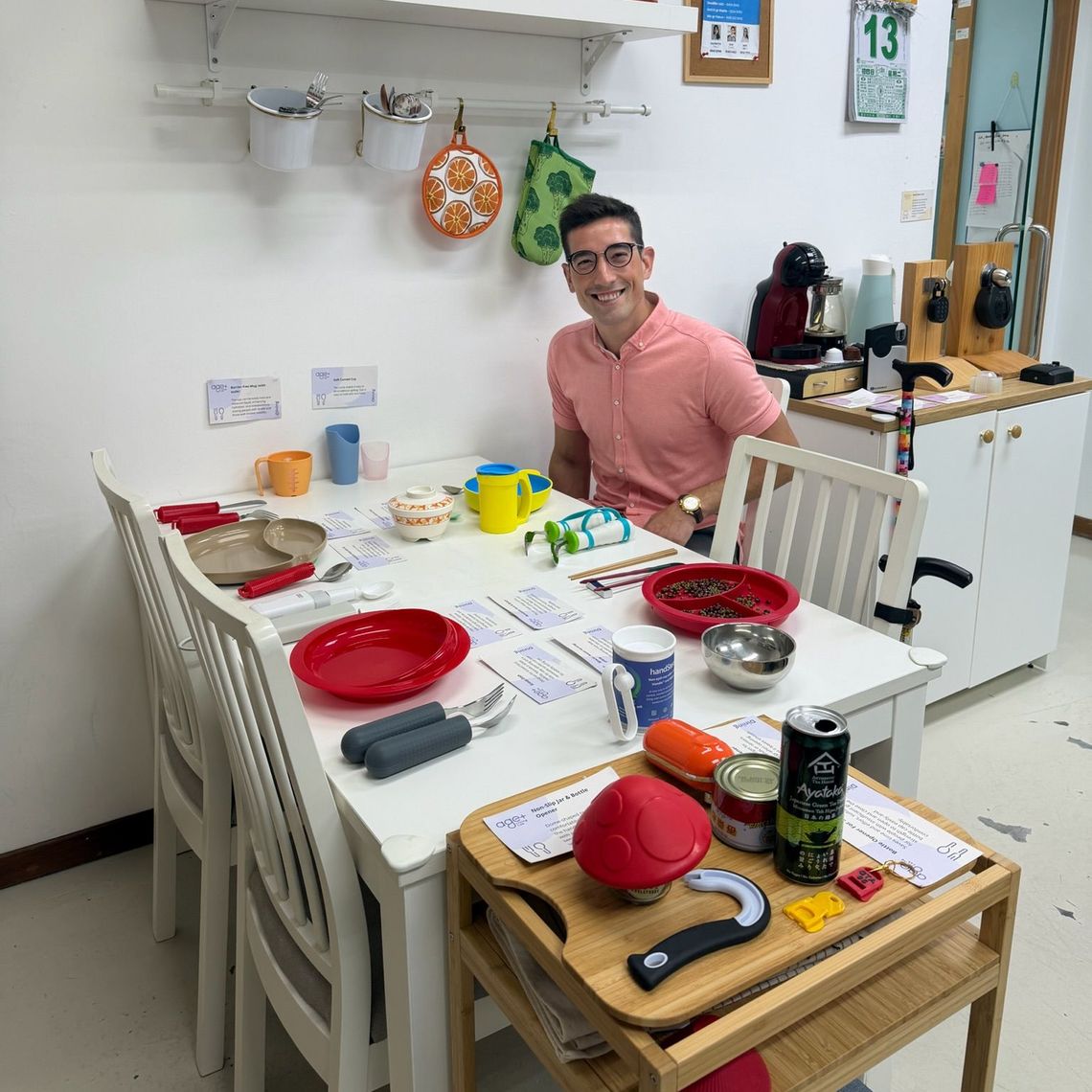
Singapore University of Social Sciences and the Age+ Lab to see innovation in practice and learn about older persons’ everyday experiences.
AWWA’s Dementia Day Centre to learn about its people-centred approach to dementia care for clients and families.
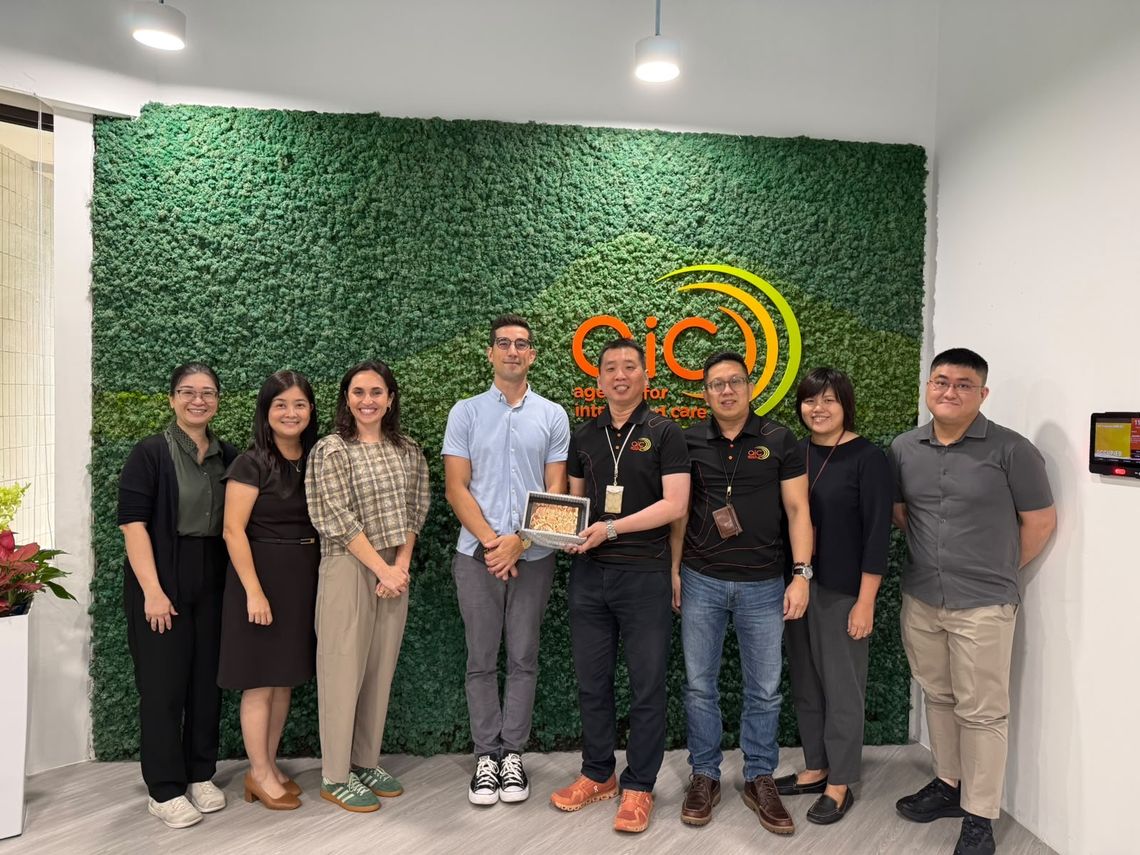
The Agency for Integrated Care and Singapore’s Ministry of Health to exchange perspectives on integrated care and system-level approaches to support older persons.
Building Connections for Healthier Aging
Across Japan and Singapore, the visit reinforced the value of connecting people, knowledge, and ideas across borders. While each country brings a different perspective, we share a commitment to helping older persons remain mobile, independent, and connected to their communities.
For CABHI, these relationships provide a foundation for continued collaboration. By connecting Canadian expertise with international perspectives and keeping older persons’ experiences at the centre of innovation, we can advance solutions that support healthier aging. This work brings us closer to a future where healthspan matches lifespan, and every older person lives with purpose, fulfilment, and dignity.